Compact coffee equipment for home and travel

Your review
Thank you for your review
We have received your review.
About the espresso filter paper
An extra filter for coffee oils.
What the filter paper adds

Paper can also retain cafestol.
Paper filtration layer · Beneath the ground coffee
Catch fine coffee particles too.
Beneath the coffee, paper forms an extra barrier for fine particles that can pass through the metal base. This can change sediment and mouthfeel. Taste with the same recipe to see whether this filtration method suits your coffee. For your first comparison, keep the beans, dose, grind and target weight in your cup the same.
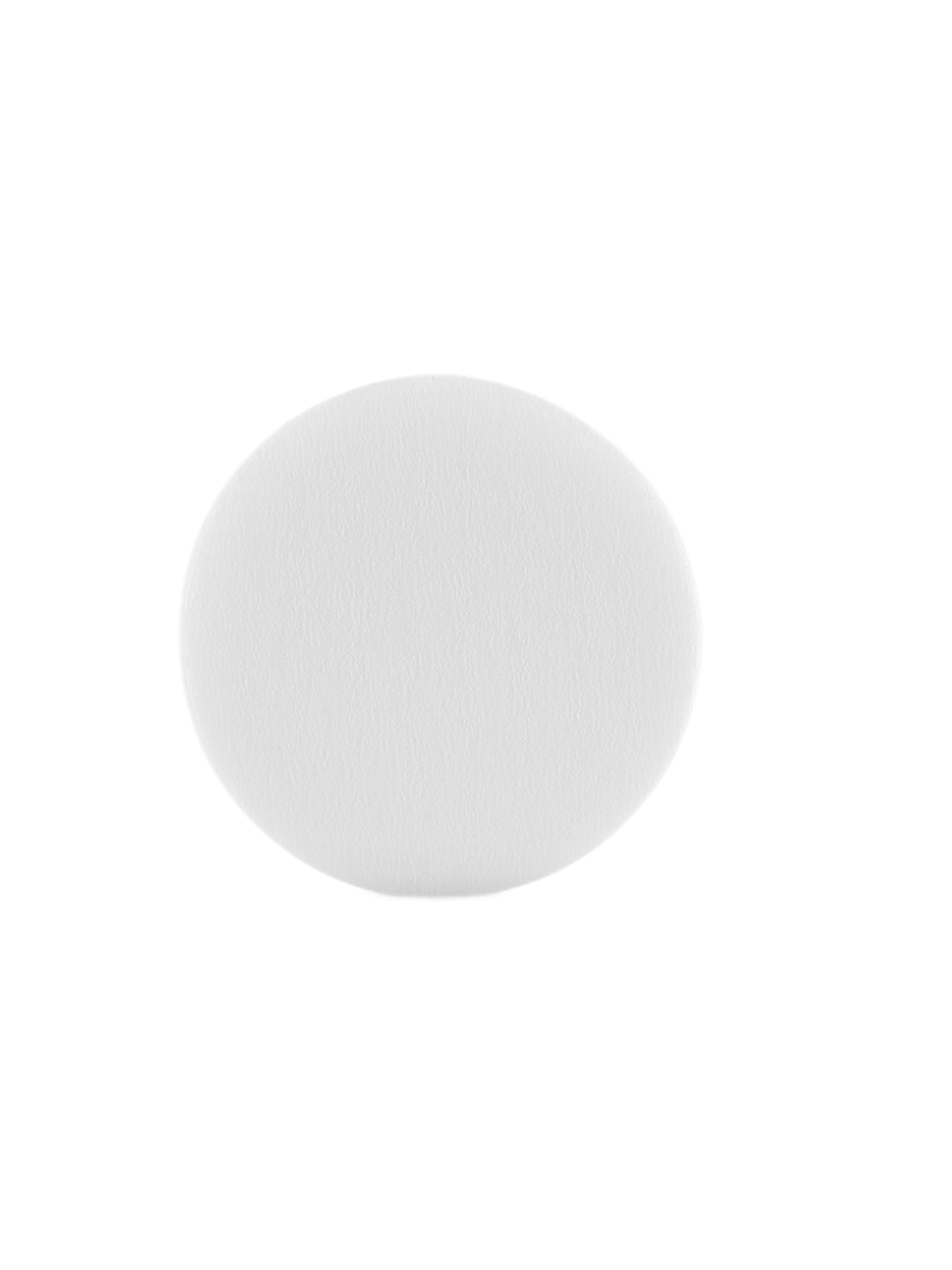
Round 58 mm filters · For a compatible filter basket
On top, it helps keep the shower screen cleaner.
You can also place the paper on top of the coffee after tamping. There, it limits direct contact between coffee and the shower screen. This can reduce coffee residue on the screen. This position does not filter the brewed espresso before it reaches your cup.
Place on top after tamping · 100 pieces per pack
Is this right for me?
Extra filtration starts with the right size.
If you want to use paper to filter coffee oils, check that it fits beneath the coffee. Your portafilter size alone is not enough.
You want to filter coffee oils further.
You make espresso with ground coffee and want to add a paper filtration layer. Place the paper beneath the coffee in your existing filter basket. Keep using your own machine, beans and recipe.
There is room for 58 mm at the base.
Measure the internal dimensions of your filter basket's base. A basket can narrow towards the bottom. The paper must lie flat and cover the holes. If it only fits with folds, choose a different paper size for use beneath the coffee.
One extra step fits your preparation.
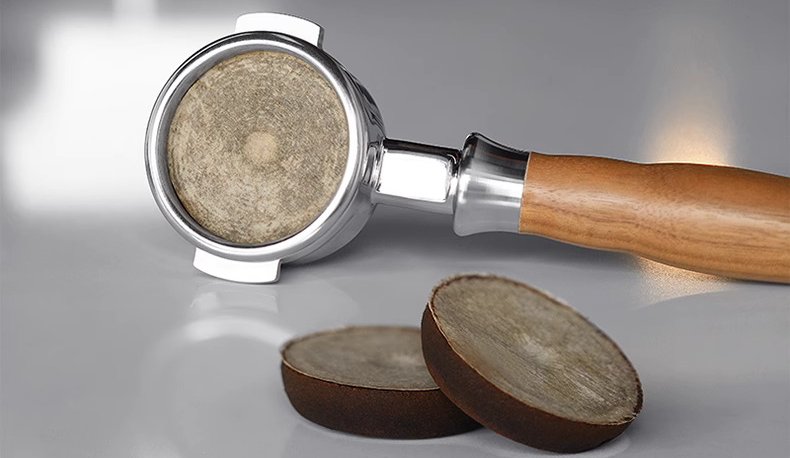
Place a new filter in the basket for each brew. Then dose, distribute and tamp the coffee. After brewing, remove the paper with the puck.
How it works
Paper first. Then coffee.
- 01
Lay the filter flat on the base.
Place one filter in your clean filter basket. It should cover the holes without folding. You can dampen it slightly to hold it in place. Let excess water drain before adding coffee.
- 02
Dose, distribute and tamp.
Add your weighed ground coffee. Distribute it and tamp level. Make sure the paper stays flat. If you use needles for distribution, avoid piercing the paper.
- 03
Brew your espresso and taste.
Brew with your usual recipe and stop at the target weight in your cup. Note the brew time and taste the difference. If needed, adjust one setting on your next attempt.
- 04
Remove the paper and coffee.
Remove the portafilter once the pressure has dropped. Remove the used filter with the puck and clean the basket. Use a new filter for the next brew.

Underneath or on top makes a difference.
Specifications
The filter paper in detail.
Variant and material
- Brand
- MHW-3BOMBER
- Product type
- Round filter paper for espresso
- Material
- Papier op basis van houtvezels
- Colour
- Wit
- Shape
- Rond, voorgesneden
Dimensions and packaging
- Diameter
- 58 mm
- Thickness
- Approximately 0,1 mm
- Quantity per pack
- 100 items
Use and storage
- Placement for filtering espresso
- Under the ground coffee, at the bottom of a compatible filter basket
- Alternative placement
- On top of the tamped coffee to limit contact with the shower screen
- Reusable
- No
- Storage
- Droog en schoon
What you receive
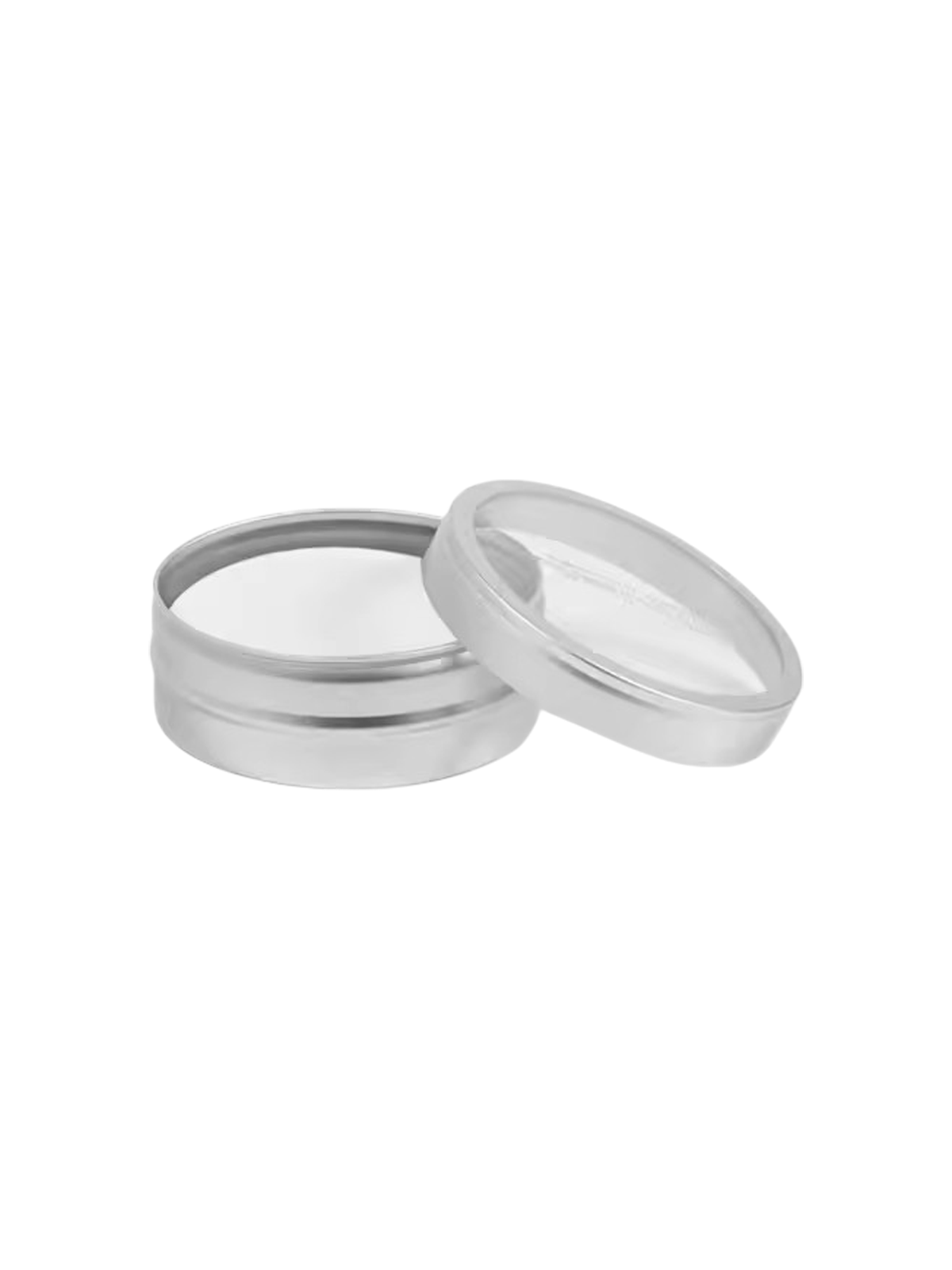
100 filters for your espresso.

Included
- 100 MHW-3BOMBER paper espresso filters with a diameter of 58 mm
Your own espresso setup
Frequently asked questions
What else would you like to know?
Does this filter retain all cafestol?
We cannot promise that. Paper coffee filters can retain cafestol, but no measurements of cafestol reduction in espresso are provided for this MHW-3BOMBER filter. The result depends on factors including the paper, fit and preparation. Do not assume your espresso is cafestol-free.
Does paper on top of the coffee also filter coffee oils?
On top, the paper filters water before it flows through the ground coffee. The brewed espresso does not pass through that paper afterwards. If you want a paper filtration layer for the espresso itself, place the filter beneath the coffee.
Does this paper fit every 58 mm portafilter?
Check your filter basket's actual internal dimensions. The base in particular can be narrower than 58 mm. For use beneath the coffee, the paper must lie flat there and cover the perforated area. If it only fits with folds, choose a different paper size for that use.
Does paper change flavour or crema?
The extra filtration and any change in flow can affect mouthfeel, flavour and crema. The result varies by coffee and recipe. Start with the same beans, dose, grind and weight in your cup. Compare what you taste. Flavour and crema do not tell you how much cafestol has been retained.
Should I wet the paper first?
It is not always necessary. At the base, light dampening can help the paper stay flat while filling. Let excess water drain. Keep your method the same when comparing.
Does this paper replace a stainless steel puck screen?
Paper beneath the coffee filters the brewed espresso. A puck screen on top sits between the coffee and incoming water, so it has a different position and function. You can also use paper on top as a disposable layer to limit contact with the shower screen. A stainless steel screen is cleaned and reused.
Can I reuse a filter?
Use new paper for every brew. Throw away the used filter after brewing and keep your supply dry and clean.
Does filter paper prevent channeling?
The paper can affect flow, but it does not fix unevenly distributed coffee or an unsuitable grind. Keep distributing and tamping your coffee carefully. Assess your preparation by what you taste and how well you can repeat it.
